
The complete guide
HB3 9005 LED Headlight Bulbs - A Straightforward Buyer's Guide
The problem this set is solving
Halogen bulbs give off a yellow-ish light. Most people never think about it until they park a vehicle next to something newer, see the difference in colour, and decide theirs looks dated. That is the honest reason most HB3 9005 LED headlight bulbs get bought. Not a dramatic rescue mission, just a vehicle that looks tired from the front and an owner with a free afternoon.
There is a second reason, and it is more practical. Halogen bulbs are consumable. They dim gradually, then one day one of them gives up, usually on the side you cannot reach easily. If you have already pulled that headlight apart twice, swapping to an LED conversion and being done with it starts to look appealing.
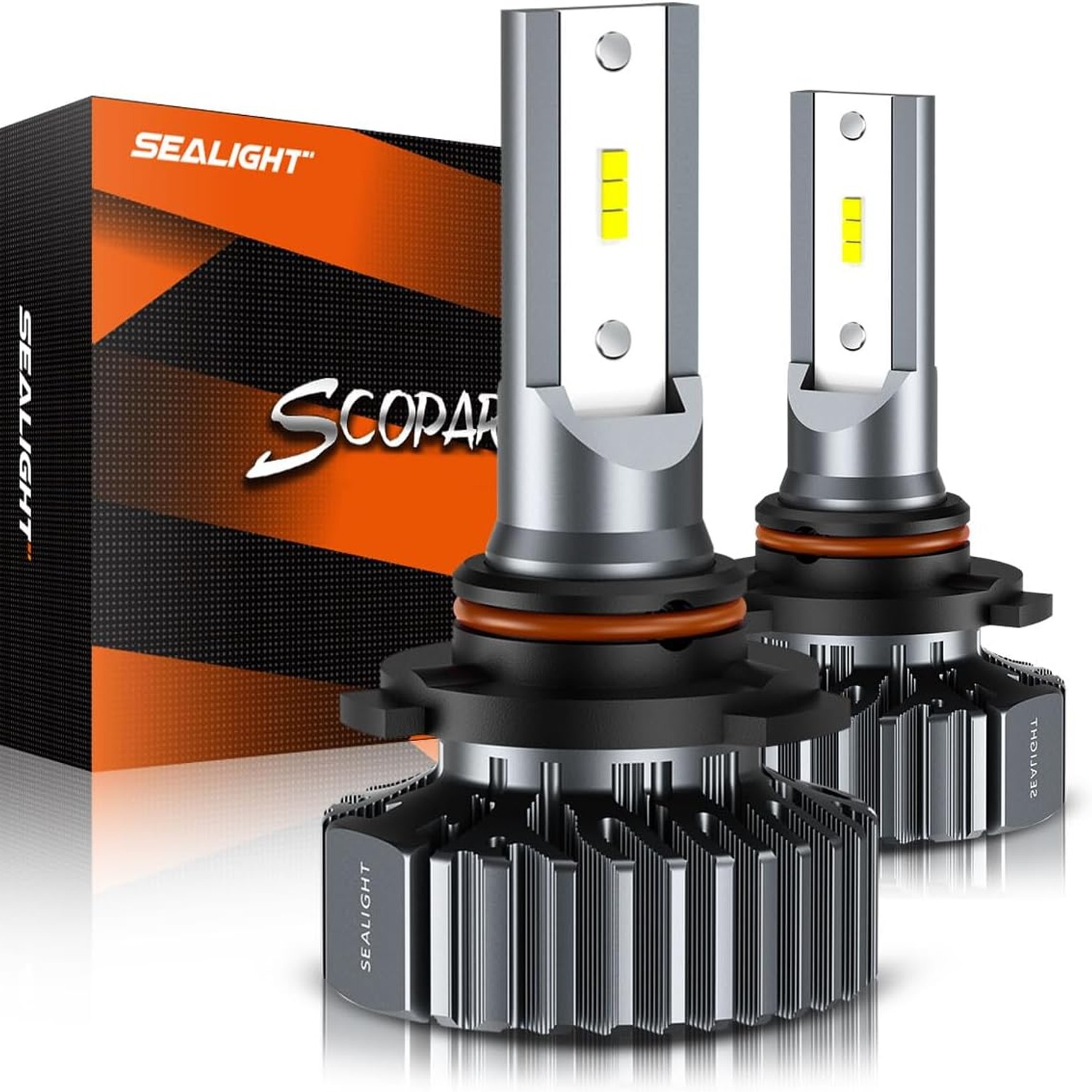
This particular set is a pack of two bulbs with the HB3 fitting, rated at 6500K, with no cooling fan. That is the whole specification, and the rest of this guide is about what those facts actually mean when you are standing in front of an open bonnet.
HB3, 9005 and why the two names exist
HB3 and 9005 describe the same fitting. One name comes from one naming system and the other from another, and both ended up in common use, so parts catalogues list them together. If your handbook says 9005 and this product says HB3, nothing is wrong.
The practical check is simple. Take out the bulb you have and look at the base. The fitting code is usually printed on the plastic collar or moulded into it. If it reads HB3 or 9005, this pair matches. If it reads H11, H7, HB4 or 9006, it does not, and no amount of persuasion will make it.
Fitting type is the only fitment claim worth making. We do not list vehicles against this product, because a bulb fitting is a bulb fitting and the rest depends on your specific housing and the space behind it.
What 6500K actually tells you
Kelvin is a colour measurement. Low numbers look warm and yellow, higher numbers look white and then start drifting toward blue. At 6500K you are at the clean white end with a slight cool edge to it.
The thing people most often get wrong is assuming a higher Kelvin number means a stronger light. It does not. Kelvin says nothing about output at all. Two bulbs can share a colour rating and put out wildly different amounts of light.
Where 6500K matters is matching. If you already run white LED work lamps, a light bar or white interior lighting on a project vehicle, picking a 6500k led bulb keeps everything looking like it belongs together. Mismatched colour temperatures across a vehicle look accidental, and once you notice it you cannot stop noticing it.
Fanless versus fan-cooled
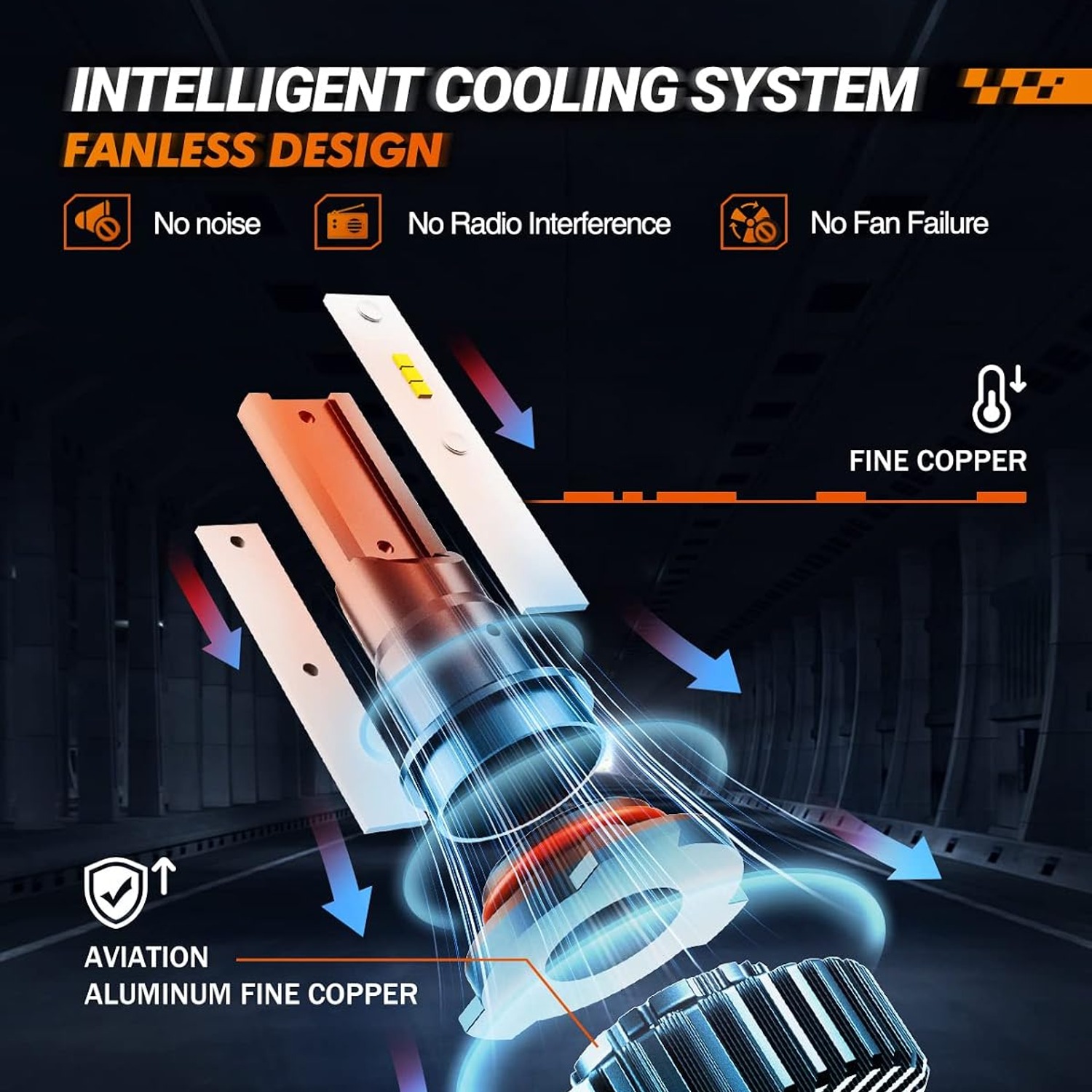
LEDs produce heat at the base, and that heat has to go somewhere. There are two common approaches. One puts a small fan in the bulb body to move air across the heatsink. The other uses a larger passive heatsink and lets the air do the work on its own.
This set is fanless. The upside is obvious. There is no fan to hum, no fan to collect dust, and no small moving part sitting in a warm sealed housing. A fan-cooled bulb is fine until the fan is not, and then you are back inside the headlight.
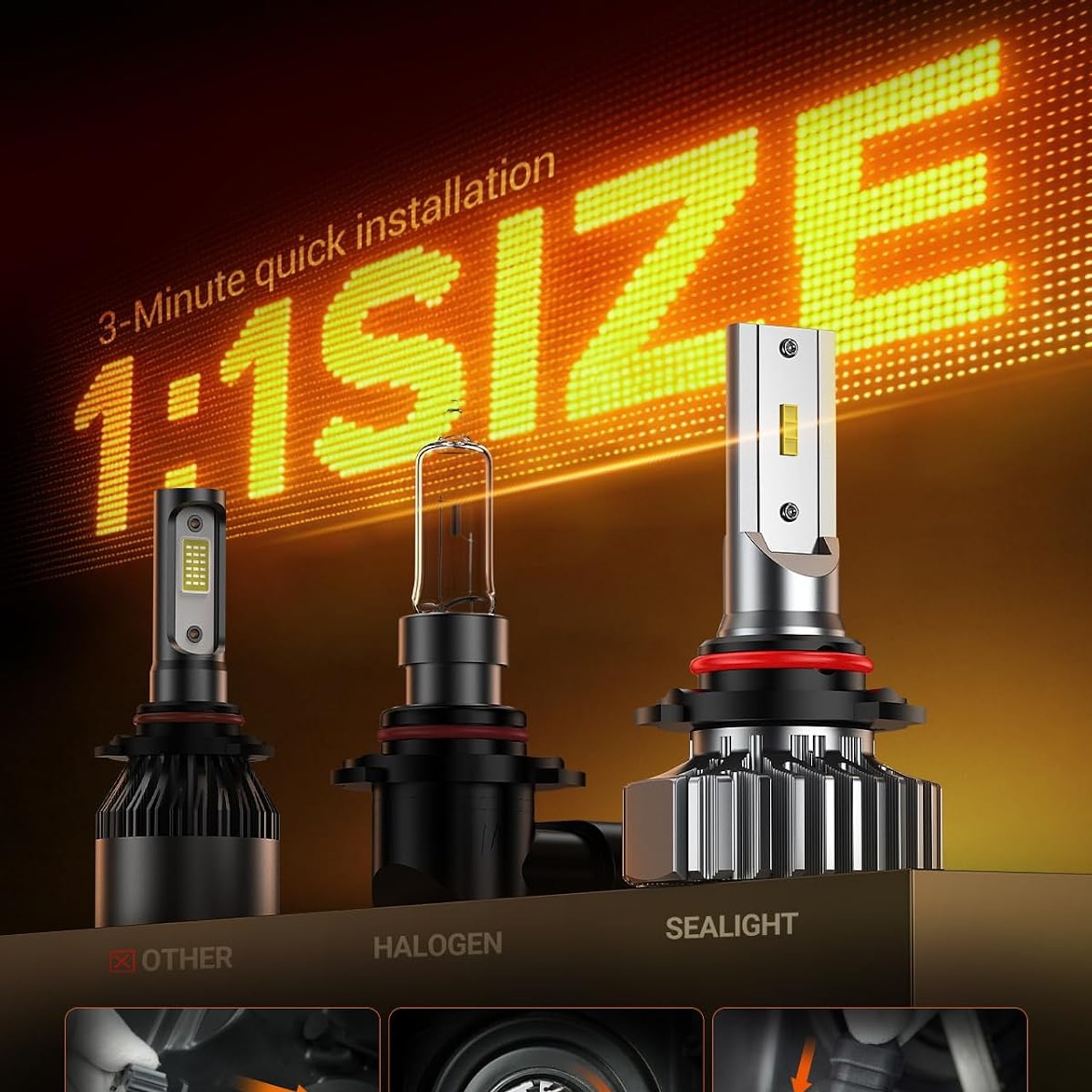
The trade-off is space. Passive cooling needs air around the heatsink to work, so a bulb crammed hard against a dust cover with no clearance is not in a great position. Before you order, pull your existing bulb and look at what is behind it. If the housing is deep and the dust cover sits well clear, you are fine. If it is tight back there, measure properly.
The legal part, said plainly
In Canada, fitting LED bulbs into headlights that were built for halogen bulbs is generally not permitted on public roads. This pack is sold for off-road, show and private property use.
That covers a decent range of real situations. Track and circuit vehicles. Farm and yard vehicles that never leave the property. Project builds that live on a trailer. Static show cars where the lights come on for a display and nothing else. Plenty of people buying a hb3 led conversion kit are in exactly one of those groups.
What we will not do is tell you it is approved for road use, because it is not sold on that basis and we have no approval claim to make. If your vehicle spends its life on public roads, a correct halogen replacement is the right purchase, not this one.
Electrical quirks worth knowing before you start
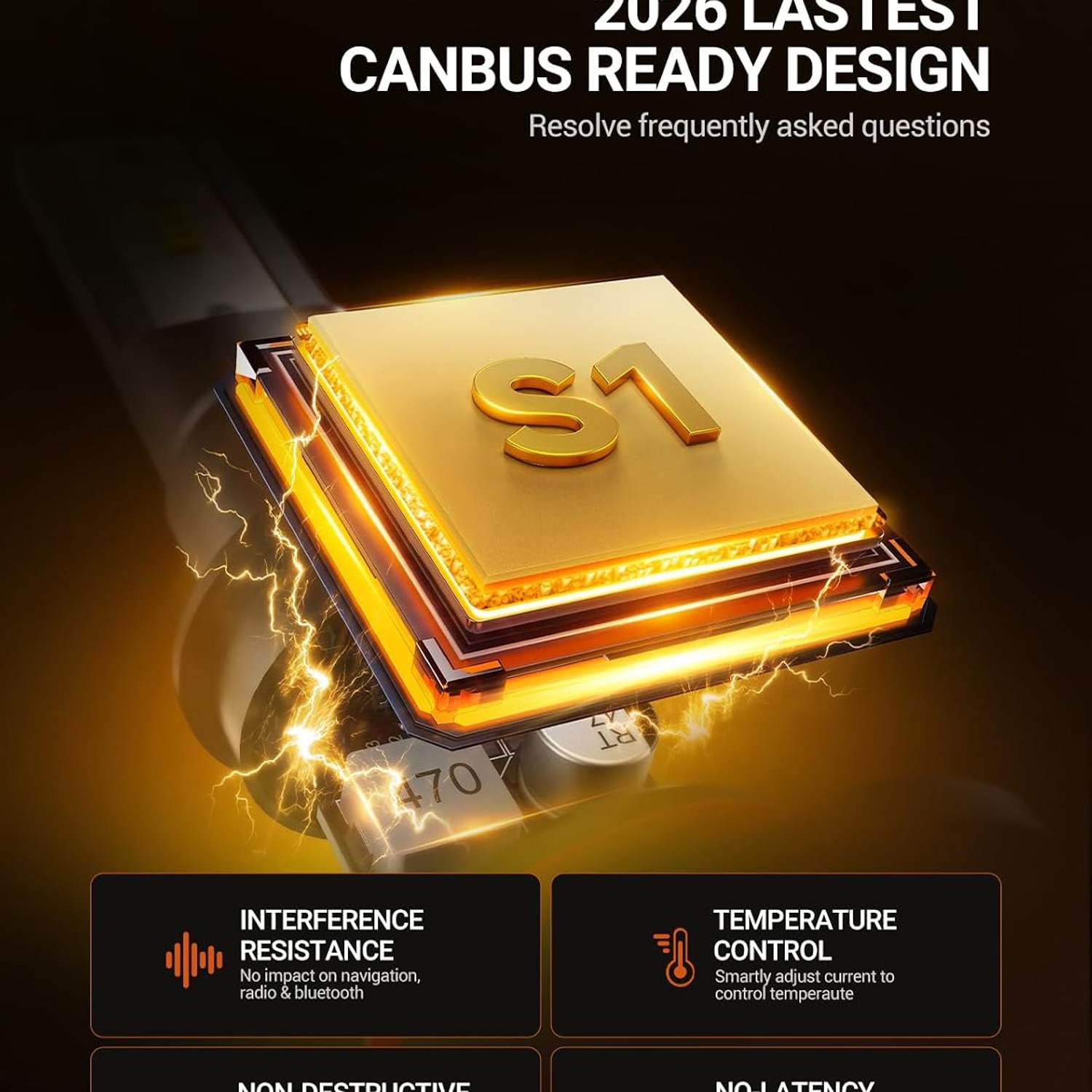
Vehicles that monitor their own lighting circuits can get confused by LED bulbs. A halogen pulls a certain amount of current, the vehicle expects to see roughly that, and an LED pulls considerably less. The vehicle reads the difference as a failed bulb and puts a warning on the dash.
The related symptom is flicker, often most obvious at idle. Same root cause, different presentation.
The usual answer is a CANbus decoder, a small module that sits in the circuit and keeps the vehicle happy. A decoder is not included with this pack. If you already know your vehicle is fussy about lighting, or you have had this problem with other LED bulbs on it before, sort the decoder out at the same time rather than fitting everything twice.
Not every vehicle needs one. Older and simpler electrical systems often take LED bulbs without complaint.
Fitting them without creating problems
Disconnect the battery first. You are working in a lighting circuit, and a few seconds with a spanner saves a lot of regret.
Let the old bulbs cool before you touch them. Halogen bulbs run hot and stay hot longer than you think.
Handle the new bulbs by the base. Keep fingers off the emitters and the lens. If you do smudge one, a clean dry cloth sorts it.
Change both sides. They come as a pair for a reason. One LED and one halogen gives you two different colours side by side, and it looks like a mistake because it is one.
Get the dust cover and seal properly seated when you close up. A headlight housing that is not sealed will take in moisture, and that causes more trouble than any bulb ever will.
Looking after them
There is not much to it. Keep the housing sealed, keep the lens clean with a soft damp cloth, and keep dirt off the heatsink if it sits where you can reach it. A passive heatsink buried in road grime cannot shed heat as well as a clean one.
Store spare bulbs in their packaging somewhere dry. The box exists to stop the heatsink fins and emitters getting knocked around, and it does that job better than a drawer does.
Who this suits, and who it does not
It suits someone with an HB3 or 9005 fitting, reasonable space behind the headlight, and a use case that sits off public roads. Track vehicles, yard vehicles, project builds, display cars. Fanless appeals particularly to people who have already had a fan-cooled bulb go quiet on them.
It does not suit someone needing a road-legal replacement for daily driving in Canada, and it does not suit a headlight with a different fitting or a housing with no clearance at all behind the dust cover.
The short version
Two LED bulbs, HB3 fitting (also called 9005), 6500K colour, no fan. Check your fitting code on the old bulb, check the space behind the housing, and expect that some vehicles will want a CANbus decoder that is not included here. Sold for off-road, show and private property use, not for public road use in headlights designed for halogen bulbs. If you are unsure about the fitting, send us a photo of the bulb you are removing and we will tell you straight.