
The complete guide
HB4 9006 LED Headlight Bulbs, A Practical Buyer's Guide
The problem this solves
You pop the dust cap off the back of a headlight housing, pull the bulb, and there it is on the plastic base: HB4. Or 9006. Same thing, different label, and the fact that there are two names for it is exactly why people end up confused when they go shopping.
Most of the time the reason you are back there in the first place is simple. The old bulb has gone yellow and tired, or it has failed outright, or you are building something and the warm halogen tone no longer matches the rest of the vehicle. A project car with LED accents everywhere and one pair of yellowish headlights looks unfinished. That is the itch a 6000K bulb scratches.
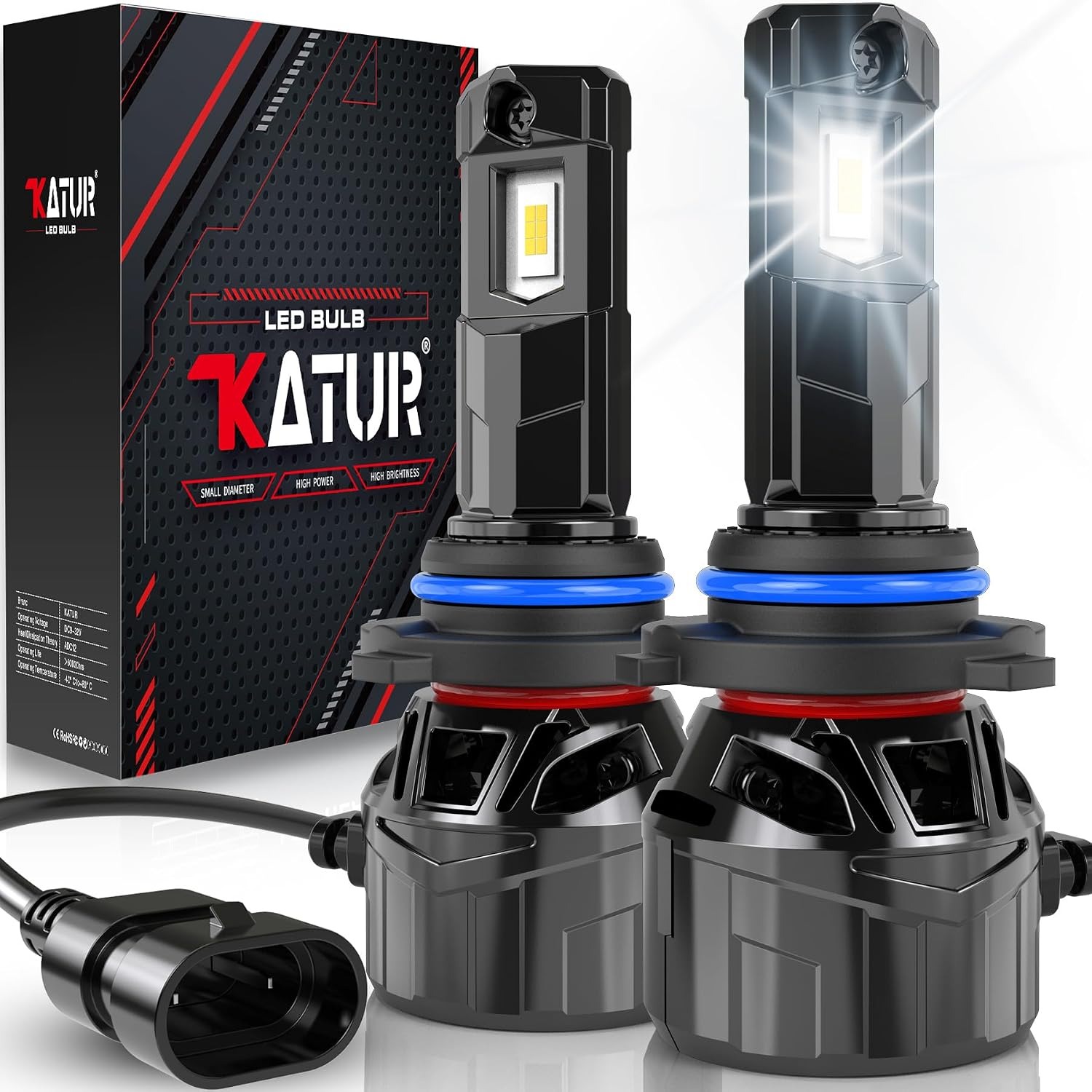
This pack is two LED bulbs with the HB4 fitting, in a 6000K white colour. Before anything else, the important bit. In Canada, fitting LED bulbs into headlight housings designed for halogen bulbs is generally not permitted on public roads. These are sold for off-road, show and private property use. If your vehicle has halogen housings and lives on public roads, stop here, because this is not the part for you.
What HB4 and 9006 actually mean
Bulb codes describe shape and base design. HB4 is a single-filament headlight fitting with a distinctive base, and 9006 is the number used for the same fitting in a lot of North American catalogues. Workshop manuals, parts counters and online listings all pick one or the other, and some use both on the same page.
That matters for shopping because searching one code and not the other can hide half the results. If you are hunting for the best 9006 LED bulb, you should also be reading HB4 listings, and the other way around. They are the same shape.
What the code does not tell you is which function the bulb handles on your specific vehicle, or how much room sits behind the housing. Those vary by design, which is why we describe fitment by fitting type only and never name vehicles.
How an LED conversion bulb differs from halogen
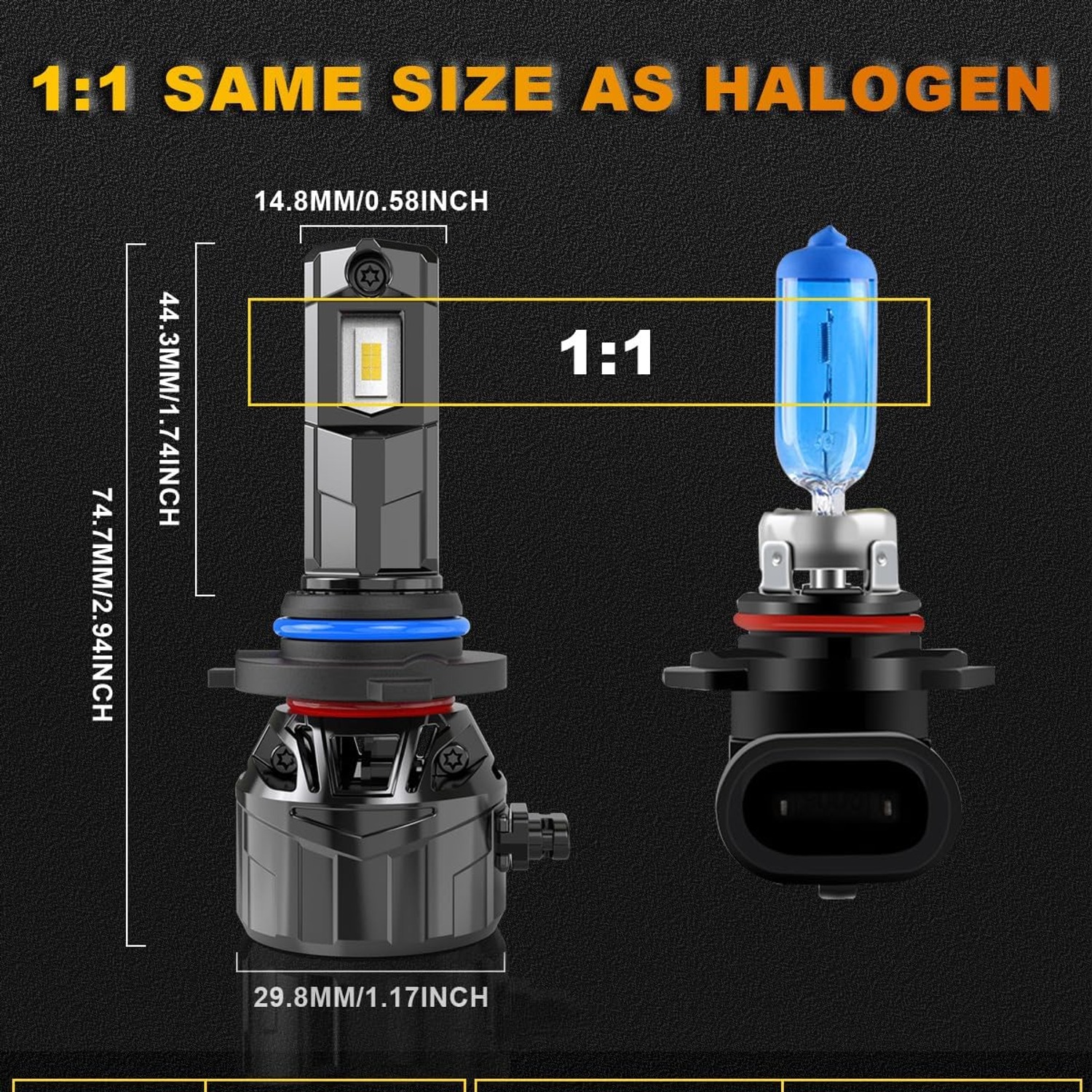
A halogen bulb heats a filament until it glows. It is a simple device and it produces a warm, yellowish light. An LED bulb uses semiconductor emitters instead, mounted to a body that has to sit in roughly the same place the filament used to.
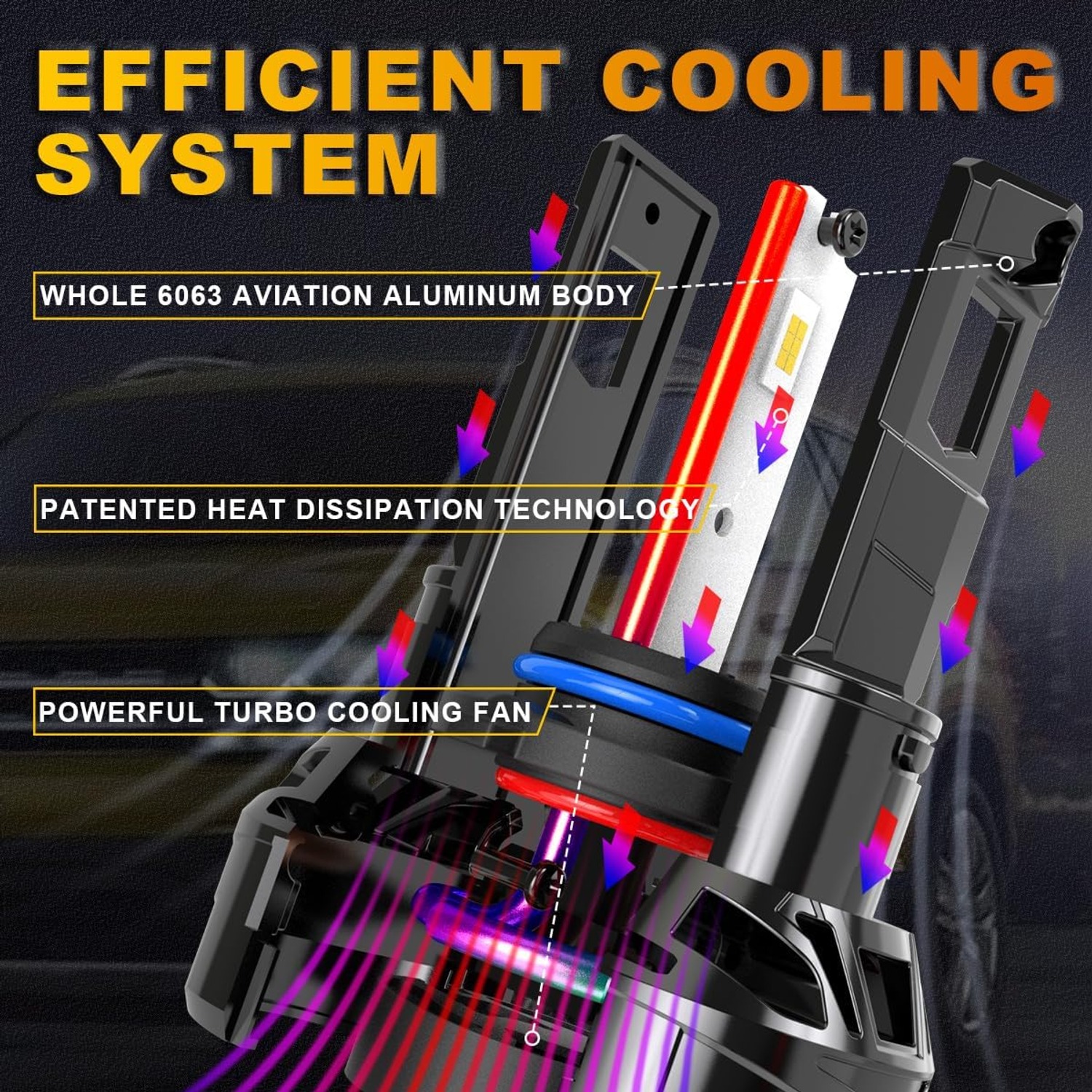
That last point is the one people underestimate. An LED conversion bulb has structure behind the base that a halogen bulb does not. Some housings have plenty of room back there and the swap is easy. Others are tight, and the dust cap will not go back on properly without some thought. Take the cap off and look before you order. Thirty seconds of checking saves a return.
The other difference is electrical. LED bulbs draw current in a different pattern than halogen bulbs, and some vehicles check their bulbs by watching that draw. When the reading looks unexpected, the dash can show a bulb warning, or the bulb may flicker when you first switch on. That is not a mystery, it is just the system reporting what it sees. A CANbus decoder on that circuit is the common accessory people add. One is not included in this pack.
What 6000K looks like
Colour temperature is measured in Kelvin and it tells you the tone of the light, not the quantity. Lower numbers read warm and yellow. Higher numbers read cool and blue-tinted. 6000K sits in the cool white range.
Next to a halogen bulb, the difference jumps out immediately. Halogen reads warm and slightly amber. A 6000K LED bulb reads white with a cool edge. On a build where everything else is modern white LED, that consistency is usually the whole point. People looking for the best white LED headlight bulbs are almost always trying to match something.
One practical note. If you change only the headlight bulbs and leave fog lamps or markers on halogen, the mismatch is obvious at night. Plan which lamps you are changing so the result looks deliberate.
Who this suits
Track cars and weekend project vehicles are the obvious ones. So are display and show vehicles, where the car spends most of its life on a stand or in a hall rather than on a road. Farm equipment, property machinery and anything else that works on private land fits the brief too, provided the lamp uses an HB4 or 9006 bulb.
The common thread is that the vehicle is not being driven on public roads with these bulbs in halogen housings. That is the line, and it is worth being honest with yourself about which side of it your vehicle sits on before you order.
How to choose and check before you buy
Start with the code. Pull the existing bulb and read the base. If it says HB4 or 9006, the shape matches. If it says anything else, this is not your bulb.
Then check clearance. With the dust cap off, look at how much space sits behind the bulb socket and whether the cap has a deep dome or sits almost flat. LED bulbs need more depth than halogen. If space looks marginal, measure it.
Third, think about your vehicle's electrical system. If you have swapped bulbs on this vehicle before and seen warnings or flicker, assume you will see them again and budget for a decoder. If you have never had trouble, you may not need one at all.
Finally, buy the pair. Both bulbs come in one pack for a reason. Replacing one side and leaving a tired halogen on the other gives you two different colours, and it is immediately noticeable in photos.
Fitting them without drama
Work with the vehicle off and the circuit cold. Headlight bulbs run hot, and a bulb that has just been on will burn you.
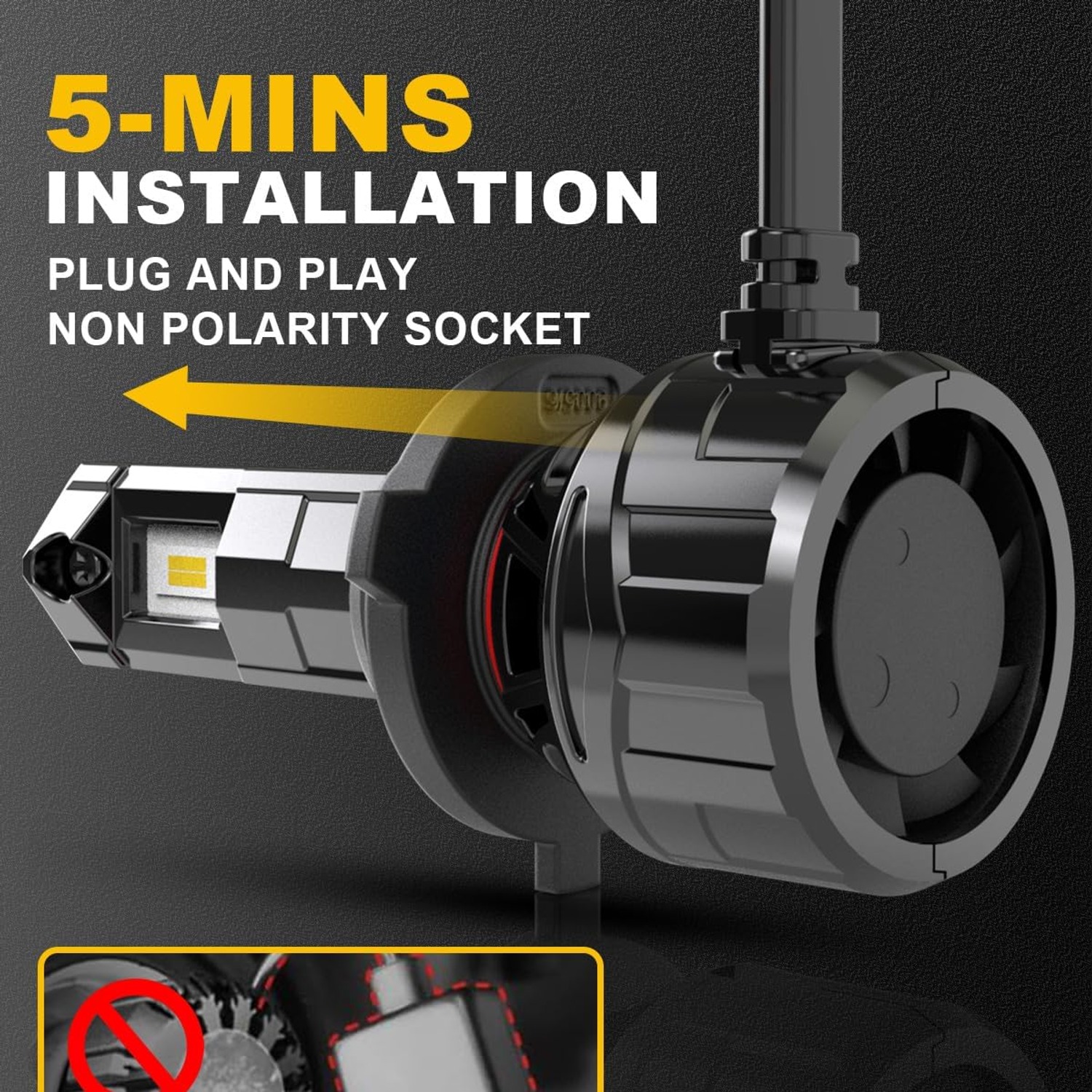
Remove the dust cap, unclip or twist out the old bulb depending on the design, and unplug the connector. Handle the new bulb by its base. Keep fingers off the emitter surface, and if you do touch it, wipe it clean with a dry lint-free cloth before fitting.
Seat the new bulb the same way the old one came out, plug the connector back in, and test before you reassemble. Then refit the dust cap properly. A cap that is not seated all the way round is how moisture ends up inside a housing, and that is a bigger problem than any bulb.
If the fit feels forced at any point, back off and check what is catching. Nothing in this job should need real force.
Care and keeping them working
There is not much maintenance to an LED bulb, but a few habits help. Keep the housing sealed and the dust cap in good condition. Wipe dust off the bulb and the inside of the cap when you have things apart for another reason. Store spare bulbs in their packaging rather than loose in a toolbox, where the base contacts get knocked about.
If something does go odd later, check the connector first. Loose or corroded contacts cause more intermittent problems than bulbs do.
The short version
This is a pair of LED bulbs with the HB4 fitting, also listed as 9006, in a 6000K cool white colour. Two bulbs come in the pack so you can do both sides at once and keep the look even.
They are sold for off-road, show and private property use. In Canada, fitting LED bulbs into headlights built for halogen bulbs is generally not permitted on public roads, and we are not going to pretend otherwise.
Check the code on your existing bulb, check the clearance behind the housing, and be aware that some vehicles show a bulb warning or flicker with LED bulbs and may need a CANbus decoder, which is not included. Get those three things sorted and the rest is a ten minute job.